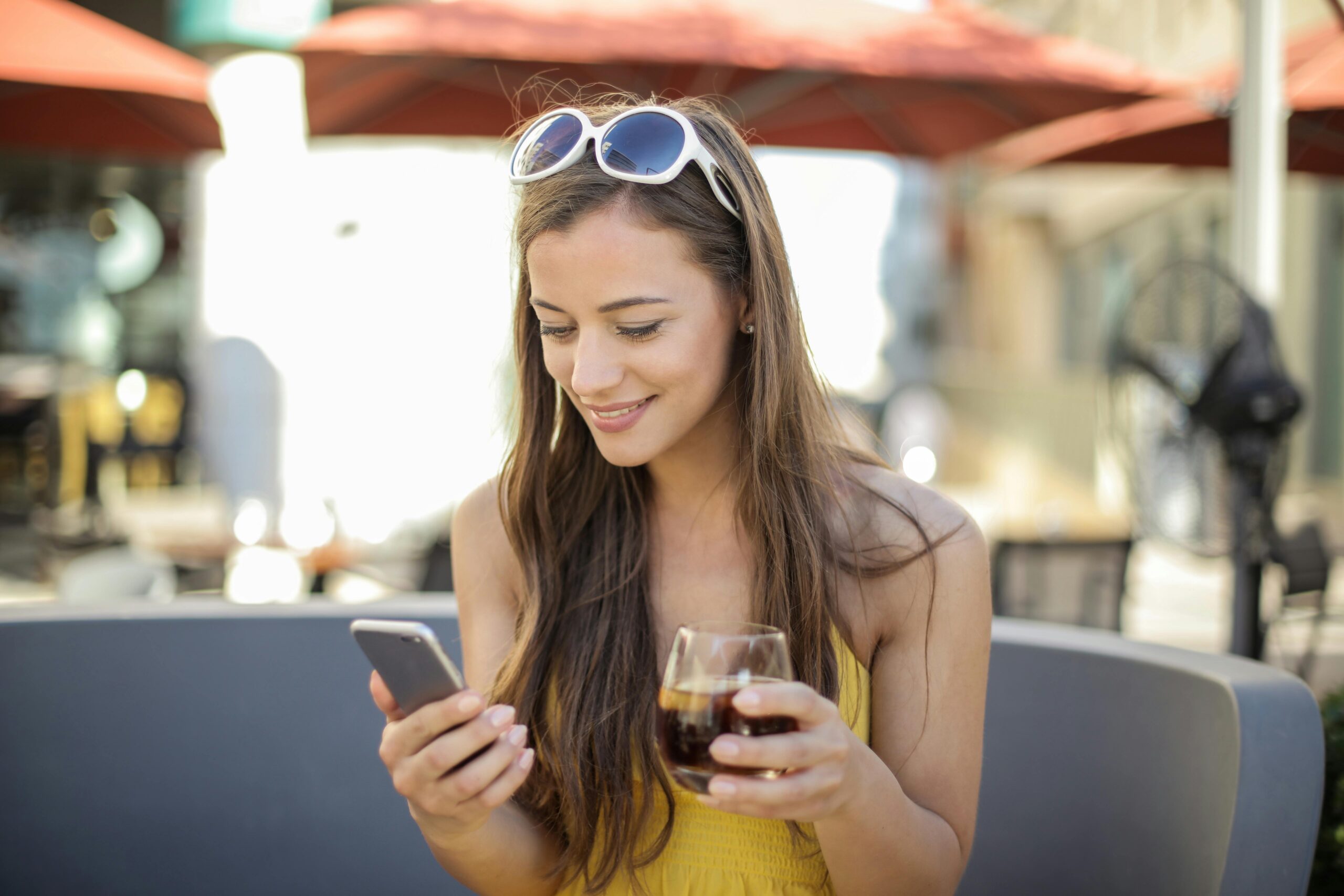
Online dating has changed the way people meet, but Tinder remains one of the most competitive platforms when it comes to first impressions. Every swipe decision is made in seconds, often based on subtle visual and psychological cues rather than logic. Most people think their low match rate is about looks, but the truth is far more interesting. Right swipes are driven by perception, clarity, and emotional signals—not perfection. If your Tinder profile is not optimized, you are silently getting rejected without ever knowing why.
Highlighted Point:
People don’t swipe right on who you are—they swipe right on how your profile makes them feel.
Why Most Tinder Profiles Fail Instantly
The biggest reason most Tinder profiles fail is lack of intention. Many users upload random photos, write vague bios, and hope attraction magically happens. Tinder’s algorithm and human psychology don’t work that way. A profile must tell a quick but compelling story. If your profile creates confusion, boredom, or uncertainty, users swipe left automatically—even if you’re attractive.
Your profile competes with hundreds of others, so neutrality is deadly. You either stand out or disappear.
Highlighted Point:
A forgettable profile performs worse than an imperfect but confident one.
The Psychology Behind Right Swipes
Right swipes are influenced by three core psychological triggers: clarity, relatability, and perceived value. People swipe right when they quickly understand who you are, feel a sense of connection, and believe interacting with you will be enjoyable or safe. Tinder profiles that try to appeal to everyone usually appeal to no one.
The goal is not to impress—it’s to resonate.
Highlighted Point:
Connection beats attraction when it comes to swipe decisions.
Profile Photos: The Real Deciding Factor
Your photos do most of the talking on Tinder. A strong photo set doesn’t just show your face—it communicates confidence, lifestyle, and personality. The first photo is critical because it determines whether anyone even looks at the rest of your profile.
Avoid group photos as your first image. Avoid sunglasses, filters, and low-quality selfies. Your face should be clearly visible with good lighting and a natural expression. A relaxed smile consistently outperforms forced poses.
Highlighted Point:
If your first photo isn’t clear, the rest of your profile won’t matter.
Why Lifestyle Photos Increase Right Swipes
Lifestyle photos help viewers imagine being part of your world. Photos that show you doing something—traveling, working out, attending events, or enjoying hobbies—signal social value and authenticity. These images answer unspoken questions like “What would dating this person feel like?”
Avoid trying too hard to look rich or flashy. Authentic confidence always wins over exaggerated displays.
Highlighted Point:
People swipe right when they can imagine themselves in your life.
The Ideal Number and Order of Photos
Too few photos make you look inactive or suspicious. Too many create fatigue. The ideal range is five to six photos. Each photo should serve a purpose—face clarity, full-body view, lifestyle context, social proof, and personality.
Arrange photos strategically, starting strong and ending memorable. Never waste slots on repetitive angles or similar expressions.
Highlighted Point:
Every photo should add new information—not repeat the same message.
Writing a Bio That Actually Gets Read
Most Tinder bios fail because they’re either empty, generic, or trying too hard to be funny. A good bio does three things: shows personality, signals intention, and invites conversation. Long bios are often ignored, but empty bios suggest laziness or lack of confidence.
Clarity is more attractive than cleverness.
Highlighted Point:
A simple, honest bio beats a clever but confusing one.
Avoiding the Most Common Bio Mistakes
Negativity kills attraction instantly. Bios filled with complaints, demands, or sarcasm push people away. Avoid phrases that list what you don’t want. Tinder is about curiosity, not screening interviews.
Your bio should feel welcoming, not defensive.
Highlighted Point:
Profiles that feel positive get more engagement—always.
The Power of Specificity in Bios
Specific details make you memorable. Saying you enjoy “music and travel” is forgettable. Saying you love “sunset drives with old playlists” creates imagery. Specificity shows authenticity and makes starting conversations easier.
Vague profiles get vague responses—or none at all.
Highlighted Point:
Specificity turns interest into action.
Using Humor Without Trying Too Hard
Humor increases right swipes, but forced jokes feel insecure. Light, natural humor works best when it reflects how you actually communicate. Avoid sarcasm that can be misunderstood.
If humor doesn’t come naturally, clarity and warmth are better alternatives.
Highlighted Point:
Comfortable confidence is more attractive than forced humor.
Why Confidence Signals Matter More Than Looks
Confidence on Tinder is conveyed through posture, eye contact, tone of bio, and photo selection. Profiles that feel self-assured but not arrogant perform best. Confidence suggests emotional stability and maturity—traits people subconsciously look for.
Desperation is visible, even in text.
Highlighted Point:
Confidence is communicated, not claimed.
Optimizing Profile Prompts and Interests
Profile prompts and interest badges are more powerful than most users realize. They help Tinder’s algorithm categorize your profile and help users find common ground. Choose interests honestly and strategically. Popular interests help discovery, niche interests help connection.
Balance both.
Highlighted Point:
Shared interests reduce hesitation to swipe right.
Why Authenticity Beats “Perfect” Profiles
Highly curated profiles can feel intimidating or fake. Authenticity creates comfort, and comfort increases matches. Showing imperfections, quirks, or real-life moments builds trust instantly.
People don’t swipe right on perfection—they swipe right on relatability.
Highlighted Point:
Authenticity creates attraction without effort.
Timing and Activity Matter More Than You Think
Active profiles are shown more often. Logging in regularly, updating photos occasionally, and engaging with the app signals relevance to Tinder’s algorithm. Dormant profiles lose visibility.
Even small updates refresh your profile’s reach.
Highlighted Point:
Visibility increases when activity stays consistent.
Avoiding Profile Red Flags That Kill Swipes
Certain signals reduce trust immediately—blurry photos, aggressive language, overly sexual bios, or lack of information. These create uncertainty, which leads to left swipes. Safety and clarity matter more than boldness.
Trust is the foundation of attraction.
Highlighted Point:
Uncertainty leads to rejection faster than disinterest.
Matching Your Profile to Your Dating Intentions
Whether you’re looking for something serious or casual, clarity improves results. Mismatched expectations cause hesitation. Profiles that subtly communicate intent without pressure perform better.
Honesty filters the right people in—and the wrong people out.
Highlighted Point:
Clear intentions attract compatible matches faster.
Right Swipes Are Earned, Not Random
Increasing right swipes on Tinder is not about tricks or pretending to be someone you’re not. It’s about presenting yourself clearly, confidently, and authentically. When your profile communicates who you are and what you offer emotionally, swipes become natural.
Remember:
The goal isn’t more matches—it’s better matches.
A thoughtful Tinder profile doesn’t just increase right swipes; it increases meaningful connections.
Leave a Reply